
What Just Eat takes from a £20 order
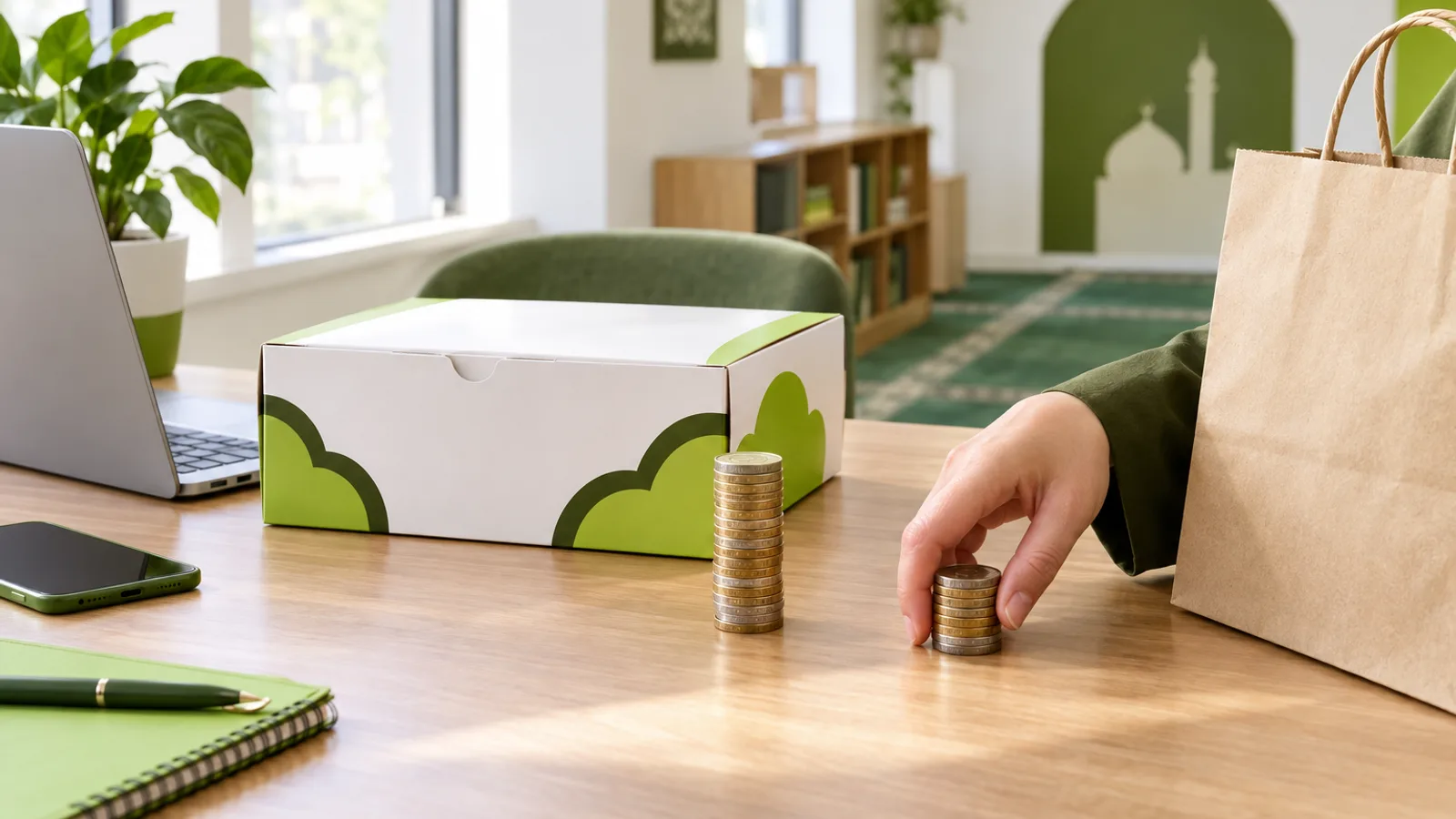
Just Eat's UK sign-up page has published two commission rates, recorded in Menuthere's UK Delivery App Commission Index: 14% plus VAT when you deliver with your own drivers, and 30% plus VAT when Just Eat delivers. VAT on the commission is charged at 20%, so the cut is bigger than the headline rate.
On a £20 order, the index works it through like this:
| Who delivers | Just Eat takes | You receive |
|---|---|---|
| Your own drivers (14%) | £2.80 + 56p VAT | £16.64 |
| Just Eat's couriers (30%) | £6.00 + £1.20 VAT | £12.80 |
The index notes that no separate collection rate is published, so if most of your customers collect, ask what a collection order will cost you before you sign. And the published rate is not your contract. According to Bee Compared's summary of the partner terms, Just Eat's terms dated 18 December 2025 charge "the Fees applicable to you" as set out in your own agreement.
Why Deliveroo's rate is in your agreement, not on its website
Deliveroo's restaurant sign-up page says it charges "a commission on completed orders, covering the reach, tools and support that come with being a partner", and promises no hidden fees. It does not give a percentage. Its partner terms show how the fee is built, and the wording is the same for delivery and for Pickup orders: a percentage of the order value including VAT, plus VAT at the prevailing rate.
The percentage is worked out on the VAT-inclusive total, and then VAT is added to the fee itself. When you speak to Deliveroo, ask for three things in writing: the percentage for delivery, the percentage for Pickup, and the one-off joining fee, which Bee Compared says is shown at sign-up. Then work a £20 order through yourself, as in the Just Eat table above.
The charges that sit beside the commission
These are the lines on the statement that newcomers miss.
- Cash orders still pay commission. Bee Compared reads Just Eat's terms as charging commission on cash orders where the customer pays you directly. You then owe it, and it is taken from your card-order money.
- An admin fee on each order. The same terms list a separate admin fee per order.
- A joining fee, or not. Menuthere found Just Eat's own page contradicting itself: the FAQ says there is no fee to join, while the sign-up steps say £295 + VAT, taken from takings. Ask which applies to you.
- Refunds come out of your payout. Deliveroo's terms pay you the order value less the fee and less refunds paid to customers.
- The kit is not yours. Bee Compared notes that Just Eat's ordering device stays Just Eat's property, and Deliveroo supplies a tablet with a built-in printer.
What you keep on your own online food ordering system
When the order comes through your own website, nobody sits between you and the customer taking a share. Our food ordering system lets customers pre-order from your own website with no commission. What you do pay is the payment provider's normal card fees when someone pays online, plus the hosting and the system itself.
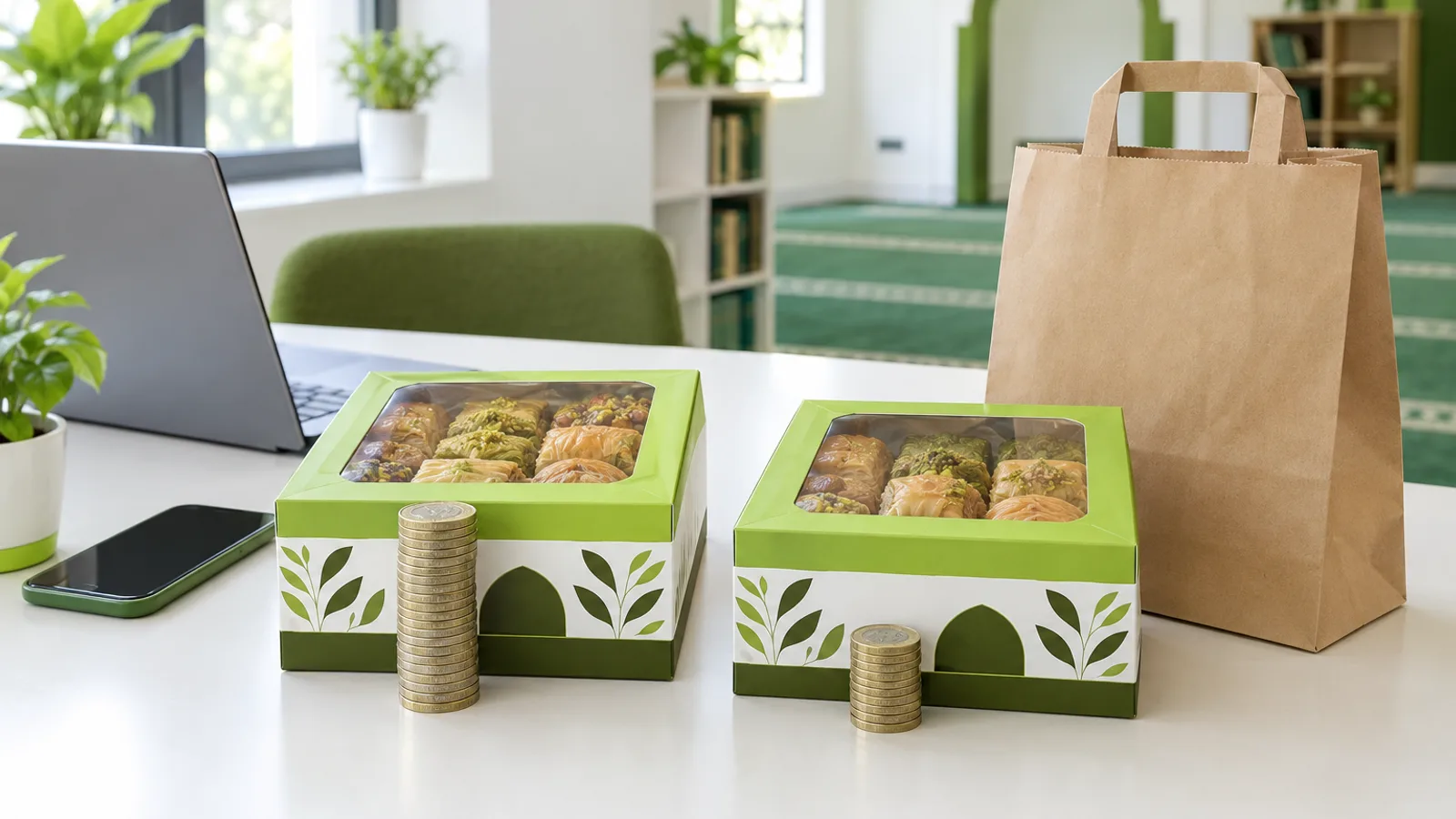
Samarkand Bakery, a home bakery in Tetouan, Morocco that bakes to order for collection at the weekend, lets the customer choose cash at collection or paying online. Online payment goes through the bakery's own payment page, PayPal's checkout, which takes a debit or credit card or a PayPal account, and the money goes straight into the bakery's own account. When delivery is switched on, it is paid in cash to the driver.
So on a £20 order paid in cash at collection, the bakery keeps £20. Paid online, it keeps £20 less the provider's card fee. The honest catch sits in the other column: hosting and the system cost the same whether you take a handful of orders a week or hundreds. Your own page wins the sum when enough regulars use it, which is why we quote a system only after we understand how you take orders today.
On our own ordering platform the code stays with us, but your customer and order data belongs to you and you can download it.
How an order reaches you, step by step
On the apps, a tablet tells you an order has arrived, so your own system has to do that job properly. Samarkand's orders all go through the website's own ordering system, and each one follows the same path:
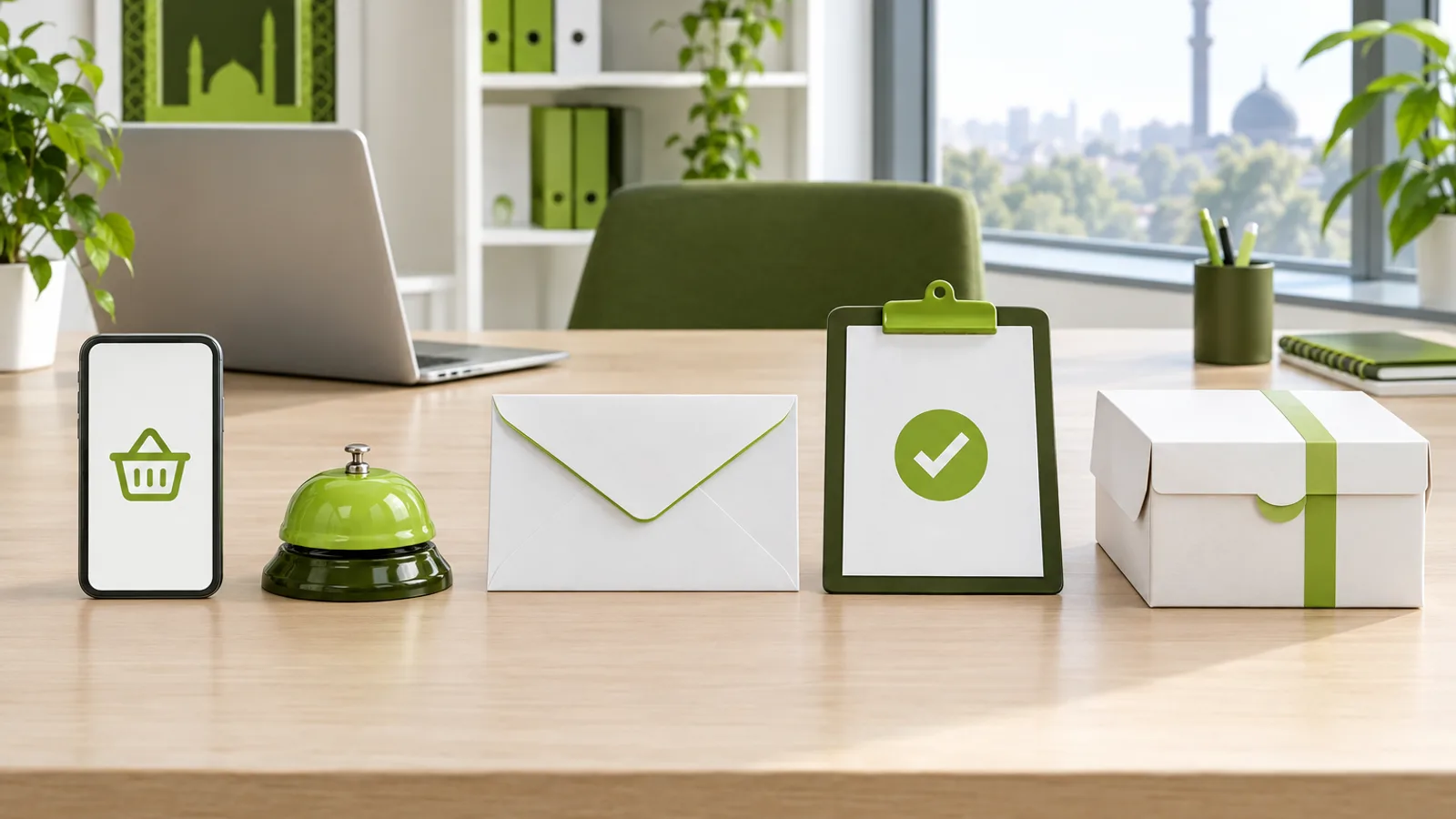
- The customer places the order on the website.
- The bakery gets an instant Telegram alert.
- The customer gets a confirmation email, if they gave an email address, and loyalty points are added.
- The order appears in the admin panel as pending.
- The bakery confirms with the customer on WhatsApp before baking.
- The customer pays cash at collection, or online through a pay link for that exact order.
Customers can also order inside Claude. Most of Samarkand's customers still use the website form. The difference is that a customer can ask questions first, in English, French or Arabic, such as what feeds five people, which days plov is available or what has nuts in it, and the assistant checks dates and prices against the bakery's own rules before anything is ordered. The customer has to see the items, total, date and time and say yes before an order is placed. Our connectors page explains how that works.
When Just Eat or Deliveroo is still worth the commission
The apps sell something your website cannot: people who have never heard of you, already hungry and already scrolling. Part of every fee pays for that shop window, and on Just Eat's 30% tier you are also paying for the courier.
The apps tend to earn their cut when:
- you are new and nobody nearby knows your name yet;
- you sell hot food that has to arrive quickly and you have no drivers of your own;
- most orders are one-offs from people who will not come back.
Your own page tends to earn its keep when:
- customers come back week after week for the same bread, cakes or trays;
- orders are made to order and booked days ahead, such as weekend collection or Eid pre-orders;
- you want to know who your customers are and speak to them directly.
You do not have to pick one. You can stay listed to be found and give regulars a reason to order direct. A website does not bring visitors on its own. Your Google listing, your social posts and your shop counter have to send people to it, and nobody can promise how many will come. Samarkand, for its part, is not listed on any food marketplace.
Moving regular customers onto your own ordering page
These are the tools Samarkand uses to keep regular customers ordering on its own site:
- 5% back in loyalty points on every order, kept for 12 months;
- a "My Samarkand" account where customers see past orders and reorder;
- a WhatsApp channel;
- email offers;
- a review request after an order.
The reorder button matters more than it looks. A regular stays on an app partly because their usual order is saved there, so your own page has to match that before you ask them to switch. Then tell people where to find you: at collection, in your WhatsApp status and in your posts. If posting every week is the part that slips, our social media service plans a content calendar a month ahead.
What your own ordering page has to get right
When the order is yours, so are the duties the app's page used to carry. Treat this as a checklist to work through with the official guidance, not legal advice.
Allergens before the order and at delivery
The FSA's technical guidance says that for non-prepacked food sold online or by phone, mandatory allergen information must be available free before the purchase is concluded and at the moment of delivery. Its best practice guidance puts written information on the main menu, or no more than "one click away" with a clear link, and in writing with the delivery. It also says that when you sell through a third-party website, customers should be told clearly where allergen information can be found before they order.
On our ordering system, every product page lists its allergens, filled in from the product's own ingredients, the site shows an allergen notice, and an AI assistant reads the same list when a customer asks. How the written information travels with the food, on a sticker or a printed menu, is something to settle in your own packing routine.
A privacy notice where you collect details
Names, phone numbers and addresses now come to you, not the app. The ICO's guidance for small organisations says a privacy notice must cover who you are and how to contact you, what data you use and why, your lawful basis, who you share it with, how long you keep it, people's rights and that they can complain to the ICO. The right to be informed means giving that information at the time you collect the details, so link it from the order form.
Cookies on the basket and beyond
A cookie that remembers what is in the basket is essential to the service and does not need consent, according to the ICO. Advertising cookies are never strictly necessary, and the ICO's letter on cookie banners treats a banner that pushes "accept" over "reject" as non-compliant.
The order details customers must get
GOV.UK's online and distance selling guidance lists what you must give, including your business name, contact details and address, the price including all taxes, how the customer can pay, and delivery arrangements, costs and timings, in a format the customer can save, such as an email.
Working out your own commission sums
Take last month's statement from each app. For every order, note the commission, the VAT on it, any admin fee and any refund. Then mark the orders from customers you already know by name. That column is the money you paid an app to bring you people you had already found. Set it against the cost of running your own ordering page, quoted for how you actually work, and the answer is usually clear within an afternoon.
If you would like someone to check the sums with you, book a free 30-minute call or ask for a free website check. If staying on the apps is the better answer for now, we will say so.
Sources
- Menuthere, UK Delivery App Commission Index (October 2026) (read November 2026)
- Bee Compared, Just Eat, Deliveroo & Uber Eats Commission Rates (UK) (read November 2026)
- Deliveroo, Deliveroo Restaurant Sign Up (read November 2026)
- Deliveroo, Deliveroo Partners Terms and Conditions (read October 2026)
- Food Standards Agency (GOV.UK), Food allergen labelling and information requirements... (read November 2026)
- Food Standards Agency (GOV.UK), Allergen Information for Non-Prepacked Foods Best Practice (read October 2026)
- Information Commissioner's Office, Are you transparent about how you use peoples data? (read October 2026)
- Information Commissioner's Office, The right to be informed (read November 2026)
- Information Commissioner's Office, Cookies and similar technologies (read October 2026)
- Information Commissioner's Office, Compliance of your organisation's cookie banner with the... (read November 2026)
- GOV.UK, Online and distance selling (read October 2026)
Bring your app statements and we will do the sums with you
Book a free 30-minute call with last month's Just Eat or Deliveroo statements to hand. Sherzod will look at how you take orders today and tell you straight whether your own ordering page would pay its way, or whether staying on the apps makes more sense for now.